


In most Florida cases, unpaid child support after a child turns 18 goes to the parent owed support, not the adult child. If the Florida Department of Revenue is involved, the state child support system may also direct payments.
Collecting or resolving a support balance that stretches past a child's 18th birthday raises questions most parents never expected to deal with. If you're trying to enforce an old order or you've been served with a collection action, Veliz Katz Law's Maitland child support lawyers can review the order, calculate what's actually owed, and outline the enforcement options available under Florida law.
How Florida's Child Support Laws Work
Florida law sets clear guidelines for when child support begins and ends. The rules account for a child’s age, education status, and any overdue payments owed by a parent. Eligibility and obligations may continue past age 18 under specific situations.
Duration of Child Support Obligations
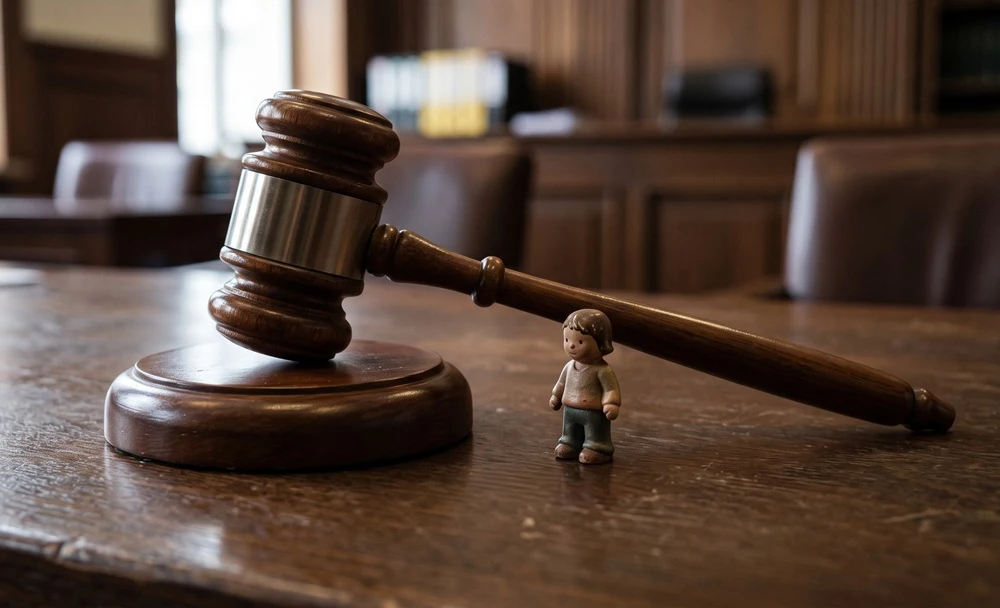
In Florida, child support usually ends when a child turns 18. Under Fla. Stat. § 61.13, every child support order must state a termination date, and both parents have a legal duty to provide for their child up to this age. If the child is still in high school and will graduate before turning 19, payments usually continue until graduation.
The court considers anticipated graduation dates when setting the termination of support in the order. Payments are not automatically extended past high school completion unless specific legal grounds are met. Child support is not usually linked to college attendance or employment status.
For overdue support, also called arrears, the obligation to pay does not end when the child turns 18.
Legal Definition of the Age of Majority
Florida law defines the age of majority as 18 years old under Fla. Stat. § 743.07. At this age, a child is considered a legal adult. This principle applies to most parental financial obligations, including routine child support.
Options for support after age 18 are limited. The court may only consider special situations such as disability or the child’s ongoing high school education status. Parents cannot waive a minor’s right to child support before age 18.
Even after the child becomes an adult, if unpaid child support exists, the adult child is not typically the party who receives payment. Instead, the custodial parent, who was owed the support, has the right to collect what is overdue.
Who Receives Back Child Support After the Child Turns 18
Here's who typically receives payment in a few common scenarios, whether that's the custodial parent, the state, or someone else entirely:
Exceptions to Child Support Ending at Age 18
There are a few main exceptions to the standard termination of child support at age 18.
- High school enrollment: If the child is still in high school and expected to graduate before age 19, payments may extend until graduation.
- Special needs: A less common exception applies when a child has "special needs", such as a permanent disability that prevents self-support. In such cases, the court may order post-majority child support in Florida.
- Existing arrears: A separate scenario involves unpaid support: if a parent owes back child support after 18, courts continue to enforce payment until the balance is satisfied.
Child support for college expenses is not required under Florida law unless the parents had a prior written agreement to do so. Only statutory exceptions, such as disability or high school status, alter post-majority obligations.
Back Child Support After 18
What Counts as Back Child Support in Florida
In Florida, back child support, also called "arrears", refers to unpaid support that accumulated under a valid court order. This debt covers both missed payments from before the child turned 18 and any court-ordered amounts still outstanding once the child reaches the age of majority.
Who can collect depends on the original child support order and whether the Florida Department of Revenue Child Support Program is involved in enforcement.
Back child support can also include payments that were required for healthcare, daycare, or other expenses specified in the court order. In some cases, if the child was emancipated early or custody changed, the obligation can be modified, but any existing arrears remain enforceable.
How to Reclaim Past Child Support in Florida
Courts in Florida continue to enforce the collection of back child support after a child turns 18. Parents or guardians seeking to reclaim past child support can still utilize legal mechanisms to secure payment, even if the child is an adult. Florida has no statute of limitations for collecting back child support, so actions can begin at any time while arrears remain outstanding.
How Long Can Florida Collect Back Child Support

The amount owed, payment history, court records, and enforcement status determine how the balance is handled.
Parents seeking to collect or challenge arrears typically need records showing the original order, payments made, and remaining balance. These same records often matter if a party later seeks to amend the underlying divorce decree.
Can You Collect Child Support Arrears After the Child Turns 18
Eligibility to reclaim back child support in Florida depends primarily on the terms set by court orders or agreements and specific statutory factors that guide repayment.
Impact of Court Orders and Agreements
Court orders are central to establishing and enforcing back child support. If a court has ordered child support payments, the parent responsible remains obligated to pay any outstanding balance. The custodial parent or, in some cases, the state can pursue collection on unpaid amounts.
Agreements made outside of court may also be enforceable if formally approved by a judge. A signed agreement without court ratification may limit enforcement options, but once the court issues an order based on the agreement, the obligations are treated the same as any other judicially imposed child support debt. In practice, proper documentation and court approval streamline the process of reclaiming arrears.
Factors That Affect Repayment Responsibilities
Several specific factors affect who can reclaim back child support and who must pay. Florida law generally allows for the collection of past-due support even after the child turns 18, provided the debt was established before the child reached adulthood. Interest can also accrue on unpaid support, increasing the total owed over time.
Key considerations include:
- Date of the original child support order.
- Court-ordered status versus private agreement.
- Outstanding balance at the child's 18th birthday.
- Compliance history of the paying parent.
Legal Process for Recovering Overdue Child Support
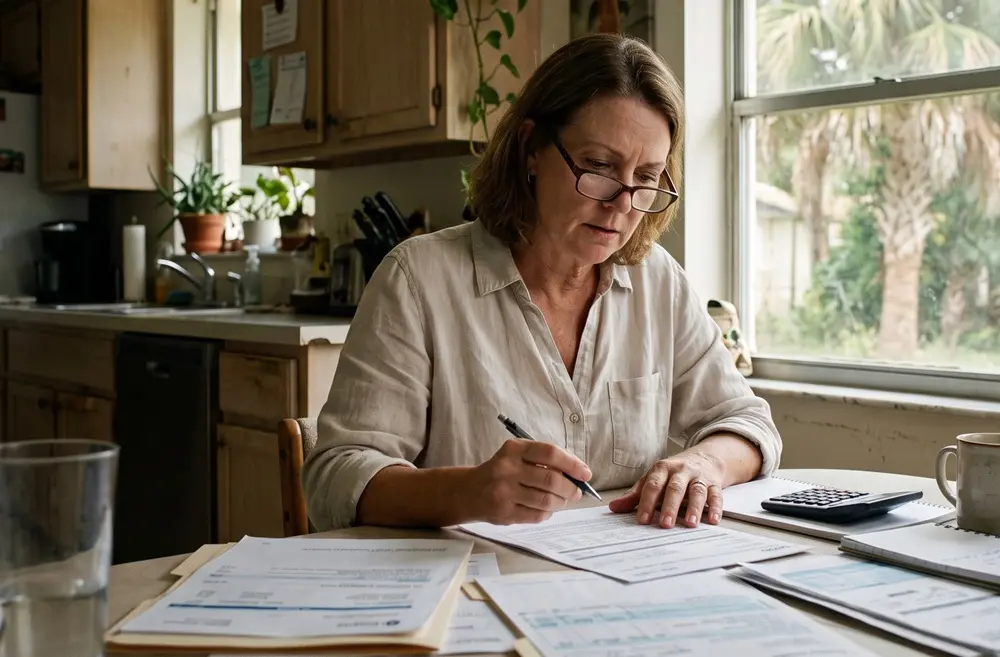
Recovering overdue child support in Florida involves both administrative and judicial procedures. Specific rules allow parents to collect unpaid support after the child turns 18, with strong enforcement tools and legal remedies available.
Enforcement Procedures in Florida
Florida uses a range of enforcement actions to help parents recover back child support, including:
- Wage garnishment;
- Bank account seizures;
- Interception of tax refunds;
- Suspension of driver's or professional licenses;
- Liens on property.
The Florida Department of Revenue Child Support Program plays a role in these actions and can initiate most enforcement measures without a court hearing, speeding up the process for custodial parents.
Role of the Court in Child Support Collections
Courts handle cases where administrative remedies have not resolved the debt or when one party challenges enforcement. A parent seeking overdue support can file a motion with the court under the original case number, requesting a judgment for the arrears.
The court reviews documentation, determines the amount owed, and issues a formal order requiring payment. Contempt proceedings may follow if the paying parent fails to comply, and in the most serious cases, this can escalate to a child support warrant. This process allows the court to impose penalties, including fines or even jail time in severe cases.
Attorney fees and court costs may also be awarded to the collecting parent.
Modifications and Settlement Options
Modification options are limited for overdue support once a judgment is entered, but future child support orders can sometimes be adjusted if there is a significant change in circumstances, such as a change in income or family size. It is rare for courts to retroactively lower an established debt.
Parties may agree to a payment plan or negotiate a settlement on the arrears, but court approval is usually required for these arrangements. Settling arrears does not reduce the total owed unless the court explicitly permits it.
Why Legal Representation Matters in These Cases

Back child support cases move through several stages, and each one is where representation actually makes a difference:
- Case review. Reviewing the original order and payment history to determine what's actually still owed, and which enforcement path fits the case.
- Paperwork and filings. Completing the required forms and confirming every document required by Florida law is submitted correctly, whether that's a DOR request, a court motion, or a modification petition.
- Negotiation and court. Negotiating directly with the other parent where possible, and representing the case in court when a hearing becomes necessary, backed by experience with remedies such as liens, wage garnishment, or license suspension.
- Avoiding delay. Missed deadlines and procedural errors can slow enforcement down. Legal guidance keeps a case on track and sets realistic expectations for how long collection typically takes.
This matters most once a case becomes contested, such as when the parent who owes support has moved, changed jobs, or stopped responding to informal requests to pay.
Moving Forward with Unpaid Child Support After 18
A child reaching adulthood does not erase unpaid child support, and the parent who is owed the debt doesn't lose the right to collect it just because time has passed. The outcome often depends on the details of the original order, payment history, and available legal remedies, regardless of which side of the case you're on.
Veliz Katz Law helps Florida families address child support disputes by reviewing the facts of each case, calculating what's actually owed, and explaining the enforcement or defense options available under Florida law. We also serve families across Central Florida who prefer to communicate in Spanish.
Contact us to discuss your situation and learn how we may assist.
Get Legal Help from a Trusted Family Lawyer
Reach out to Veliz Katz Law for a free consultation, and we’ll help you move forward.