




How Is Child Custody Decided in Florida?

Under Florida Statute 61.13, Florida courts decide parenting and time-sharing issues based on the best interests of the child. The statute also states that equal time-sharing is a rebuttable presumption and that a court may assign one parent ultimate responsibility for areas such as education and health care when the facts support that result.
That means child custody is determined by the facts of the family, not by a generic formula. Courts review the child’s welfare, each parent’s ability to meet the child’s needs, and the structure of the proposed parenting plan. Under the same statute, equal time-sharing does not prevent the court from ordering child support.
What Florida Courts Review When Looking at the Child’s Best Interests
Florida courts do not decide custody based on one issue alone. Judges review a range of facts tied to the child’s daily life, each parent’s conduct, and the overall effect of the proposed arrangement on the child’s welfare.
In a Florida child custody case, the court may review:
- Parent’s ability: The judge may assess each parent’s ability to act on the child’s needs rather than personal preferences.
- Home stability: The court may consider the length of time the child has lived in a stable and satisfactory environment.
- Major decisions: The court may assign responsibility for education, health care, and other major issues based on the child’s best interests.
- Mental and physical health: The condition of each parent can affect the outcome of parental responsibility and time-sharing.
- Child’s welfare: The child’s developmental, emotional, and educational needs carry substantial weight.
- History of misconduct: Domestic violence, child abuse, or other harmful conduct can affect the final parenting arrangement.
- Child’s preferences: The court may consider the child’s preference when age and maturity make that appropriate.
This is one reason many parents turn to our Orlando child custody attorney when the case involves contested facts or a custody dispute tied to safety, parenting ability, or school-related decisions.
How Veliz Katz Law Handles Child Custody Cases in Orlando
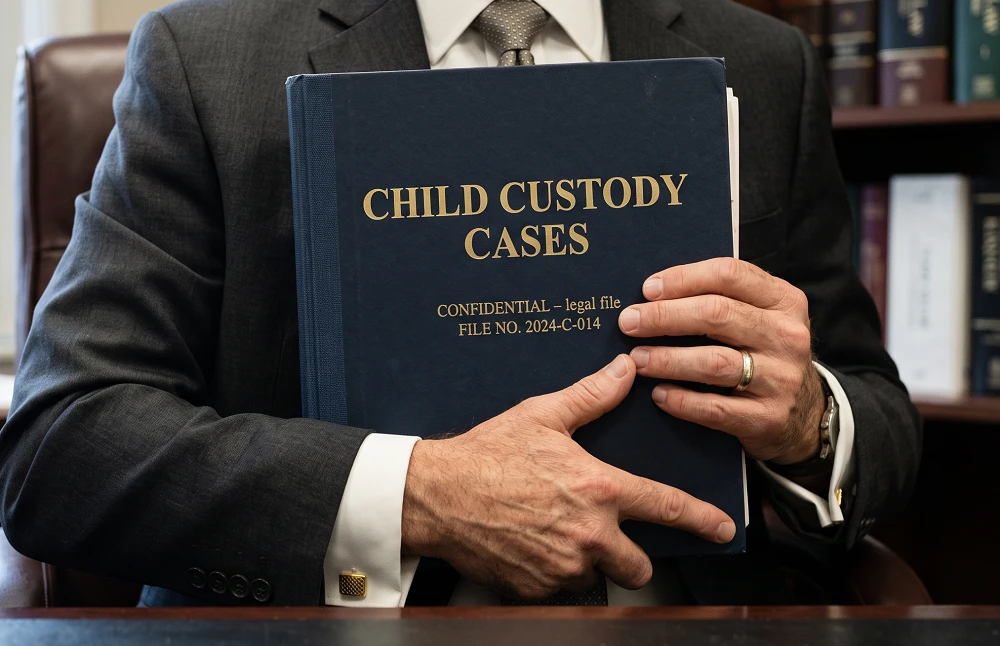
Child custody cases can take many forms. Some involve negotiated parenting terms, while others turn into active disputes over time-sharing, relocation, enforcement, or the child’s safety. Veliz Katz Law provides direct, fact-based representation in a wide range of custody matters across Orlando and surrounding Central Florida communities.
- Custody agreements and parenting plans: Drafting terms that address time-sharing, parental responsibility, exchanges, and major decisions.
- Custody disputes: Representing parents when they do not agree on parental responsibility, time-sharing, or other core custody terms.
- Visitation and enforcement matters: Addressing denied visits, missed exchanges, and violations of existing court orders.
- Modification cases: Requesting changes when a substantial change in circumstances affects the child’s life.
- Parental relocation: Handling proposed moves that affect the child’s contact with the other parent.
- Paternity-related custody matters: Establishing parental rights before custody and child support orders are entered.
- Emergency custody matters: Seeking court action when the child’s safety or welfare is at risk.
- Domestic violence-related custody issues: Pursuing protective terms where abuse affects the child or one parent.
Each custody matter requires a different legal strategy, different evidence, and different court requests. Child custody attorneys in Orlando at Veliz Katz Law prepare each case early, so the court reviews a clear and organized record from the start.
Prepare for the Custody Case Ahead
When you’re facing a custody dispute, having an assertive legal team in your corner is indispensable. Get legal representation focused on parenting plans, time-sharing schedules, and the issues Florida courts review in custody disputes.
What Is a Parenting Plan in Florida?
A parenting plan is a court-approved document that explains how parents will share time and responsibilities for a minor child after separation or divorce. Florida law requires a parenting plan in all cases involving time-sharing. It covers the child’s schedule, exchanges, and decision-making over major issues such as education and healthcare.
If parents do not agree on a plan, the court will create one based on the child’s best interests. A clear parenting plan can reduce future disputes by setting firm terms for time-sharing and parental responsibility.
Parenting Plan Requirements in Florida
A parenting plan is required in all Florida cases involving time-sharing with minor children, even when time-sharing is not disputed. The Florida Supreme Court parenting plan form states that the plan must be developed and agreed to by the parents or established by the court.
A strong parenting plan should address:
- Weekday schedule: It should define where the child spends school nights and how exchanges happen.
- Weekend schedule: It should state regular weekend time-sharing and pickup details.
- Holiday schedule: It should set out how holidays, birthdays, and school breaks are divided.
- Summer schedule: It should explain how extended breaks and travel periods will work.
- Transportation terms: It should identify who handles exchanges and where they occur.
- Communication rules: It should clarify how parents communicate with each other and with the child.
- Decision-making authority: It should explain who handles education, health care, and other major decisions.
- Dispute resolution: It should include a method for resolving future disagreements before they grow into new litigation.
For parents with conflict over daily schedules, school placement, or health care choices, our child custody lawyers in Orlando can draft more detailed parenting plan terms that reduce future disputes.
Time-Sharing Agreements and Enforcement

A time-sharing agreement should match the child’s real routine. Some families can support equal time-sharing. Others cannot. Florida law does not require the same arrangement in every case. What matters is whether the schedule serves the child’s best interests under Florida child custody laws.
When one parent does not follow the schedule, the court may impose remedies. Under Florida Statute 61.13, the judge may order attorney’s fees, modification of the parenting plan, or contempt remedies for noncompliance with time-sharing.
How Veliz Katz Law Helps with Orlando Custody Matters
Veliz Katz Law handles custody matters with direct, fact-based legal representation focused on parenting plans, time-sharing, and parental responsibility. Our Orlando, FL, child custody lawyers prepare each case with attention to the facts that Florida courts review.
Case Evaluation
We’ll review the history of the dispute, current court orders, and the child’s routine to identify strengths, risks, and next legal steps.
Parenting Plan Drafting
We prepare detailed terms that address time-sharing, parental responsibility, and authority over major decisions such as education and health care.
Contested Hearings
Our team can present evidence on the child’s welfare, the other parent’s conduct, and each parent’s ability to meet the child’s needs.
Modification Requests
We seek changes to custody or time-sharing after a substantial change in circumstances affects the child’s life.
Enforcement Actions
We’ll address denied visitation rights, missed exchanges, or repeated violations of an existing court order.
Relocation Disputes
Our team can handle cases under Florida Statute 61.13001, where the relocating parent must prove the move serves the child’s best interests.
Paternity-Related Custody Matters
Establishing parental rights before custody and child support orders are entered.
Related Family Law Cases
Addressing child support, contested divorce terms, and domestic violence issues that affect custody outcomes.
Child custody attorneys in Orlando at Veliz Katz Law build the structure of each case early so that the court reviews a clear, organized record from the start.
Why Families Turn to Veliz Katz Law
At Veliz Katz Law, we handle child custody matters with a clear legal strategy, direct communication, and close attention to the facts that can shape the outcome of a case.
- Local court experience: We have served Central Florida since 1994 and handle family law matters in the counties where many Orlando custody cases are filed.
- Direct communication: We provide clear updates and straightforward communication throughout the legal process.
- Family law focus: We handle a substantial volume of family law matters, including high-priority child custody cases.
- 24/7 availability: We offer free consultations and are available 24/7 to discuss custody issues and begin the intake process.
That approach matters when a case involves contested facts, urgent filings, or decisions that affect a child’s routine, stability, and future.
Address Custody Issues Before They Escalate
Your child’s well-being is our priority. Contact our office now to discuss parenting plans, visitation disputes, and court orders that may affect your child’s routine.


.svg)



%20(1).svg)
