



Do You Need a Will, a Trust, or Both in Florida
The right answer depends on what you own and who depends on you, not on which document sounds more thorough.
A few patterns come up often with Orlando families:
- A modest, single-state estate with clear beneficiaries often needs nothing more than a properly executed will.
- Minor children in the picture means a will still matters, since only a will can name a guardian.
- Property in more than one state tends to push families toward a trust, which can sidestep multiple probate filings.
- A blended family or a prior marriage often calls for both documents working together, so nothing defaults to Florida's standard inheritance order by accident.
- A preference for privacy points toward a trust, since a will becomes part of the public probate record.
- Worry about incapacity, not just death, favors a trust. A successor trustee steps in immediately, no court involved. A will does nothing until death.
- A tight budget often works fine with a will alone. Wills cost less to draft, and an unfunded trust adds expense without adding protection.
Families who choose a trust still need one more document: a pour-over will. It catches anything that never made it into the trust, such as a forgotten account, a late gift, or a new purchase, and directs it into the trust instead of letting it pass under Florida's default inheritance order. The caught asset still goes through probate, but the trust's terms control it rather than the state's.
A short conversation with one of our experienced Orlando will and trust attorneys usually answers the question faster than doing your own research.
Documents Our Orlando Will and Trust Attorneys Draft
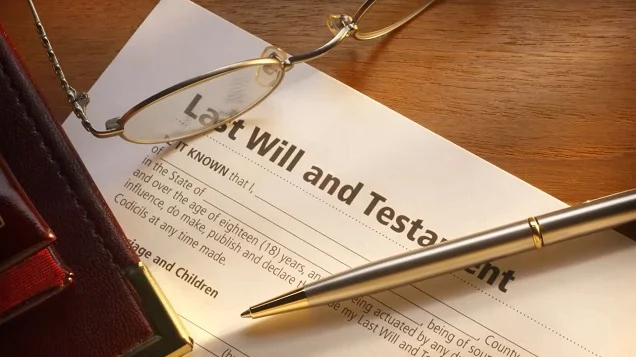
Last Will and Testament
Names your personal representative, directs where property goes, and can name a guardian for minor children.
Revocable Living Trust
Holds property during your lifetime and passes it to beneficiaries without probate, while you keep full control and can change the terms at any point.
Irrevocable Trust
Moves assets permanently out of your estate, often for creditor protection or long-term gifting, in exchange for giving up the ability to reclaim them later.
Testamentary Trust
Created inside a will and takes effect only through probate; often used to release funds to children or dependents on a schedule instead of all at once.
Powers of Attorney and Living Wills
Name someone to make financial or medical decisions if you become unable to make them yourself.
Guardian and Personal Representative Designations
Put your choice of caretaker and estate administrator in writing, instead of leaving it to a judge.
One Conversation Covers Both Documents
Bring your questions about wills and trusts to the same meeting. Our attorneys review both at once so nothing gets planned in isolation.
Legal Requirements for a Valid Will and Trust in Florida
A will and a trust are governed by different parts of Florida law, and each has its own formalities that must be met exactly, not approximately, for the document to hold up later. Missing even one requirement on either side is often the reason a plan someone paid for still ends up in probate court.
For a will to hold up in Florida:
- It has to be in writing.
- The grantor needs legal capacity.
- Two witnesses watch you sign, or watch you acknowledge the signature, and then sign it themselves.
- You need to be at least 18, or an emancipated minor, and of sound mind at the time.
- You sign at the end of the will, and both witnesses sign in your presence and each other's.
- A self-proving affidavit isn't required, but it can speed up probate by confirming the will was signed correctly.
For a trust to hold up in Florida:
- The grantor needs legal capacity and a lawful purpose under the Florida Trust Code.
- The trust has to be properly funded, meaning assets are actually retitled into it, not just named in the document.
- A successor trustee needs to be named in case the original trustee can't serve.
Missing any of these on either document is how families end up back in probate court despite paying for a plan meant to keep them out of it.

What Happens Without a Valid Will or Funded Trust in Orlando
An unsigned will carries no more legal weight than no will at all. An unfunded trust runs into the same problem.
No valid will means Florida's intestacy statutes take over:
- Florida Statute § 732.101 moves the estate into intestate succession.
- Florida Statute § 732.102 sets the surviving spouse's share.
- Florida Statute § 732.103 sends the estate to descendants, then parents, then siblings if there's no spouse.
- Unmarried partners and stepchildren without a formal adoption typically receive nothing under this order.
An unfunded trust causes a similar outcome: assets left titled in your name stay part of the probate estate, no matter what the trust document says, often leaving families to pay for probate on top of the trust they already paid to set up.
Florida's courts see this play out often: 141,166 circuit probate filings statewide in fiscal year 2024-25, including thousands in the Ninth Circuit, which covers Orange and Osceola Counties. An Orlando will and trust lawyer reviewing both documents together is how a gap like this gets caught before probate court does.
Why Orlando Families Keep Coming Back to Veliz Katz Law
Three Decades in the Same Community
We've practiced in Central Florida since 1994, through enough family situations to recognize which planning gaps cause the most trouble later.
One Attorney, Start to Finish
The attorney who drafts your will or trust is the same one you talk to at every later meeting, not a rotating case handler.
Free Consultations, Any Time
Reaching us doesn't cost anything up front, and our office takes calls 24/7.
English and Spanish, Without a Translator
Our attorneys communicate with clients directly in both languages, so nothing gets lost between the legal document and the conversation about it.
Not Sure Which Document You Need?
Tell us about your family and your property. We'll walk through the options in a free consultation and point you toward the will, the trust, or the combination that fits.


.svg)



%20(1).svg)
